
Hydrating Serums vs. Moisturizers: A Complete Guide for Healthy Skin

Introduction
In the world of skincare, hydrating serums and moisturizers are two essential and commonly used products that are often confused with one another. Each of these products plays a different role in a skincare routine, and using them correctly and together can provide the best results for healthy, hydrated, and soft skin.
Hydrating serums typically contain high concentrations of active moisturizing ingredients and can penetrate deeper layers of the skin, while moisturizers are primarily designed to retain surface moisture and create a protective barrier. Understanding the features, benefits, and proper usage of each product helps you create a more effective skincare routine and prevent issues such as dryness, dullness, or sensitivity.
In this article, we will explore the key differences, uses, and application order of hydrating serums and moisturizers, so you can achieve the best results from your daily skincare regimen.
Hydrating Serum
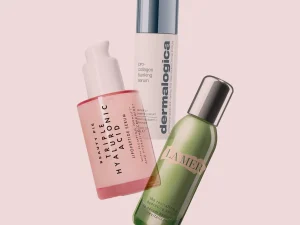
A hydrating serum is a lightweight, fluid product that contains a high concentration of active moisturizing and nourishing ingredients. Due to its light texture, it can penetrate deeper layers of the skin, providing essential hydration and nutrients directly where they are needed.
Key features of a hydrating serum include:
- Contains active ingredients such as hyaluronic acid, vitamin C, antioxidants, and plant extracts
- Lightweight texture with quick absorption, leaving no greasy residue
- Focuses on deep hydration, softening, and rejuvenating the skin
- Applied before moisturizer in a skincare routine
Hydrating serums act like a specialized treatment for the skin, targeting issues such as deep dryness, dullness, fine lines, and lack of hydration. Regular use of this product improves skin texture and elasticity while preparing the skin for better absorption and effectiveness of moisturizers.
Moisturizer
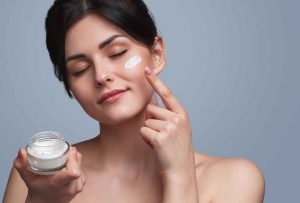
A moisturizer is one of the essential products in a skincare routine, primarily designed to retain surface moisture and create a protective barrier on the skin. It usually has a creamy or gel-like texture, leaving the skin soft, smooth, and hydrated after application.
Key features of a moisturizer include:
- Thicker texture compared to serum, providing a protective layer on the skin
- Contains moisturizing ingredients such as glycerin, ceramides, aloe vera, and plant extracts
- Main function: hydrating, softening, and protecting the skin from environmental factors
- Applied after a hydrating serum in the skincare routine
Moisturizers act as a protective barrier, preventing water loss from the skin. They are essential for maintaining healthy, soft skin and complement hydrating serums to ensure the skin remains optimally hydrated and youthful.
Comparison of Hydrating Serum and Moisturizer
Hydrating serums and moisturizers are both important for maintaining skin hydration, but they have different roles and functions. Here are the key differences between the two products:
| Feature | Hydrating Serum | Moisturizer |
|---|---|---|
| Texture | Lightweight and fluid | Creamy or gel-like, thicker |
| Main Purpose | Targets specific skin issues and provides deep hydration | Maintains surface moisture and protects the skin |
| Concentration of Active Ingredients | High | Lower than serum |
| Application Timing | After toner, before moisturizer | After serum, last step in the skincare routine |
| Key Benefits | Anti-aging, brightening, deep hydration | Moisturizing, softening, skin protection |
Using both products correctly ensures that the skin receives deep hydration while also maintaining the protective barrier it needs.
Can Hydrating Serum Replace a Moisturizer?
Although a hydrating serum can effectively hydrate the skin and deliver active ingredients to deeper layers, it cannot fully replace a moisturizer. This is because serums primarily focus on deep hydration and targeting specific skin concerns, while moisturizers serve as a protective barrier on the skin’s surface, preventing water loss.
Using only a serum may leave the outer layer of the skin dry or sensitive, especially in dry or cold environments. The best approach is to use both products together: the hydrating serum penetrates the skin first, supplying moisture and nutrients, and then the moisturizer is applied on top to seal in hydration and protect the skin.
As a result, hydrating serums and moisturizers complement each other, and using them together provides the best outcomes for skin health, softness, and radiance.
Optimal Order of Use in Skincare Routine
To get the maximum benefit from a hydrating serum and moisturizer, following the correct order of use in your daily skincare routine is essential. Using products incorrectly or in the wrong sequence can reduce their effectiveness. Below is the recommended order with detailed explanations for each step:
Cleansing:
The first step is always to cleanse the skin. Using a suitable cleanser removes dirt, excess oil, makeup, and dead skin cells. Proper cleansing ensures that the following products penetrate better and work more effectively.
Toner (Optional):
A toner helps balance the skin’s pH and prepares it for better absorption of serum and moisturizer. Additionally, toner can minimize the appearance of pores and increase overall skin freshness. It is especially beneficial for oily or combination skin types.
Hydrating Serum:
Apply the serum on damp or dry skin and gently massage it in to allow penetration into the deeper layers. A hydrating serum acts as a specialized treatment, targeting issues such as deep dryness, fine lines, and dullness. Regular use prepares the skin to fully benefit from the moisturizer applied afterward.
Moisturizer:
After the serum is absorbed, apply a moisturizer to lock in hydration and create a protective layer on the skin. Moisturizers prevent water loss and maintain long-lasting softness and smoothness. Using both serum and moisturizer ensures that the skin is hydrated at depth while also being protected on the surface.
Sunscreen (Daily, Morning Routine):
In your morning routine, sunscreen should always be the last step to protect the skin from harmful UV rays. Even if your skin is hydrated and healthy, sunscreen is essential to prevent premature aging and environmental damage.
By following this sequence, both the hydrating serum and moisturizer work at their full potential, leaving the skin soft, hydrated, radiant, and healthy. The correct combination of products ensures maximum benefit from the active ingredients in the serum and moisturizer while reducing common skin issues.
Conclusion
Hydrating serums and moisturizers both play important roles in maintaining skin hydration and health, but their functions are different. A hydrating serum penetrates deep into the skin, providing essential moisture and nutrients while targeting issues such as deep dryness, fine lines, and dullness. On the other hand, a moisturizer acts as a protective barrier on the skin’s surface, preventing water loss and keeping the skin soft and smooth.
Using both products together and in the correct order ensures that the skin is hydrated at depth while also protected on the surface. Following the proper sequence in a skincare routine enhances the effectiveness of these products and helps maintain healthy, radiant skin.
In summary, hydrating serums and moisturizers complement each other, and their combined use delivers the best results for soft, hydrated, and healthy skin.